FEASTING · Part II · Soil and Seed
Chapter 7
The Orchard and the Wild
Draft 1, 25 September 2026 · 8,102 words · 5 movements
The Opening
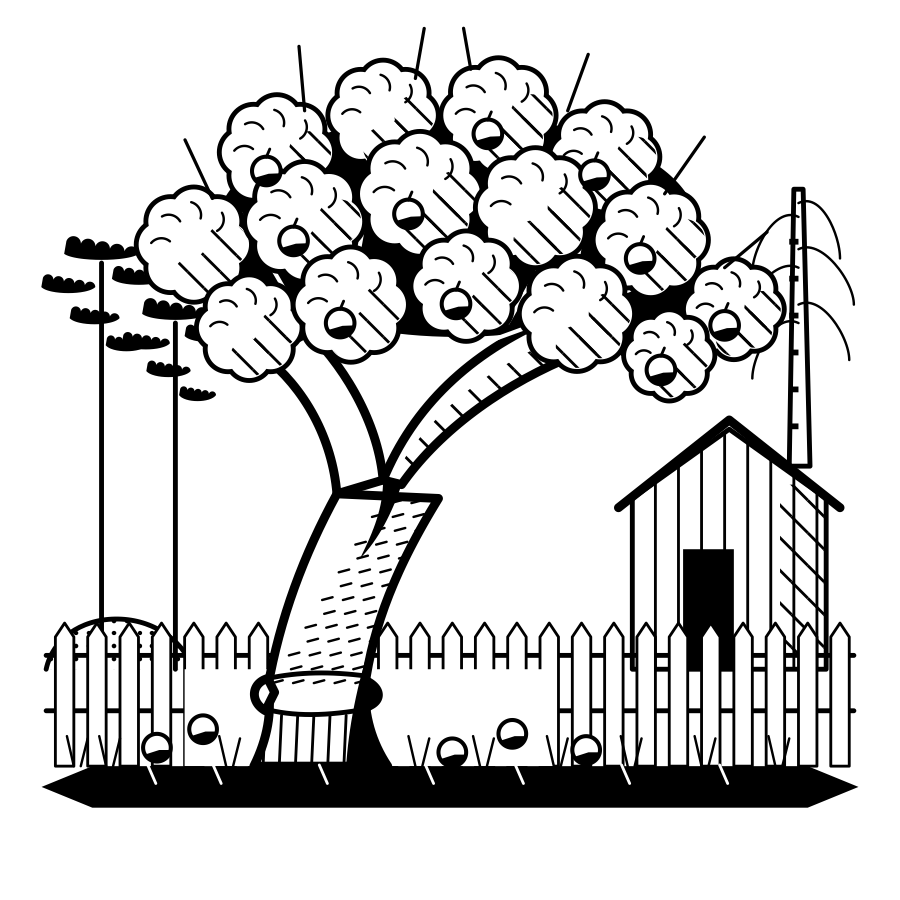
There is an apple tree at the edge of a Berlin allotment colony, and it is older than the colony. It leans. Its trunk is grey and split, its crown is a tangle that nobody has cut in thirty years, and in October it drops more fruit than the family can carry, small russet apples with a sharpness that is not in any shop. Ten centimetres above the ground, if you look, there is a swelling in the bark, a ring where the trunk changes its grain. That is where a person you never met, on a day nobody wrote down, took a knife and joined two trees into one. Everything above the ring is a variety that somebody chose. Everything below it is a wild thing that somebody dug up. The person who did it is dead. The promise they made is still bearing.
An orchard is the only crop in this book that is planted for someone else. Rye is for this winter, the potato for the next, the compost heap for the year after. A standard apple tree on a wild root takes eight or ten years to come into bearing and then bears for eighty. Whoever plants it is planting for their children's tenants. The people of the Mark understood this so well that their kings wrote it into law: a Prussian couple could not marry until they had planted fruit trees, and the roads out of Berlin were lined with apples and pears for the traveller and the poor. The trees outlived the kingdom. Some of them are still along the roads.
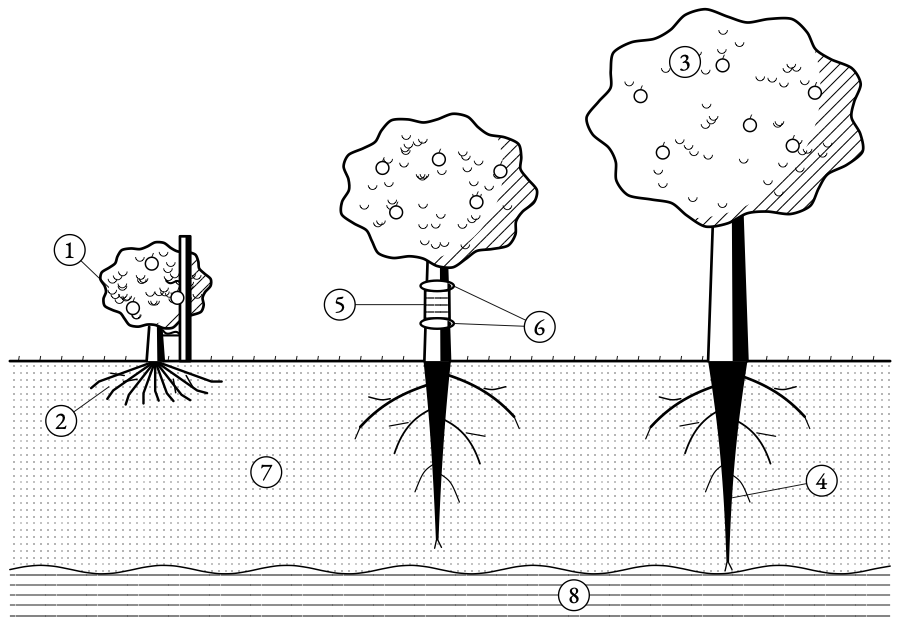
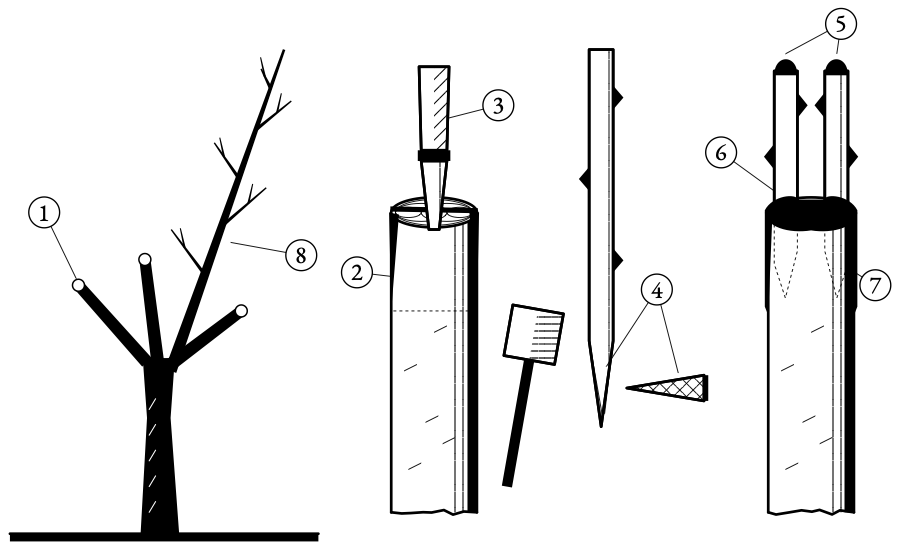
This chapter is about that promise, and about its opposite. The first half is the orchard: why an apple cannot be grown from its own pip, what a wild rootstock is and where to find one in Brandenburg, how the knife joins the two in March, how the meadow orchard is laid out and pruned and pressed, and what the cellar does with the fruit. The second half is the wild, the woods and hedges and verges that nobody planted, and what they will honestly give: an October of acorns and sloes, a spring of green leaves and a summer of flowers for the teapot, and a winter of nothing at all, however hard you walk. The wild is a pharmacy and an autumn larder. It is not a granary, and the chapter will show the arithmetic that says so.
The opening of the chapter. It goes on in the book.
The Story
- The tree that will not come true
- Where the root comes from
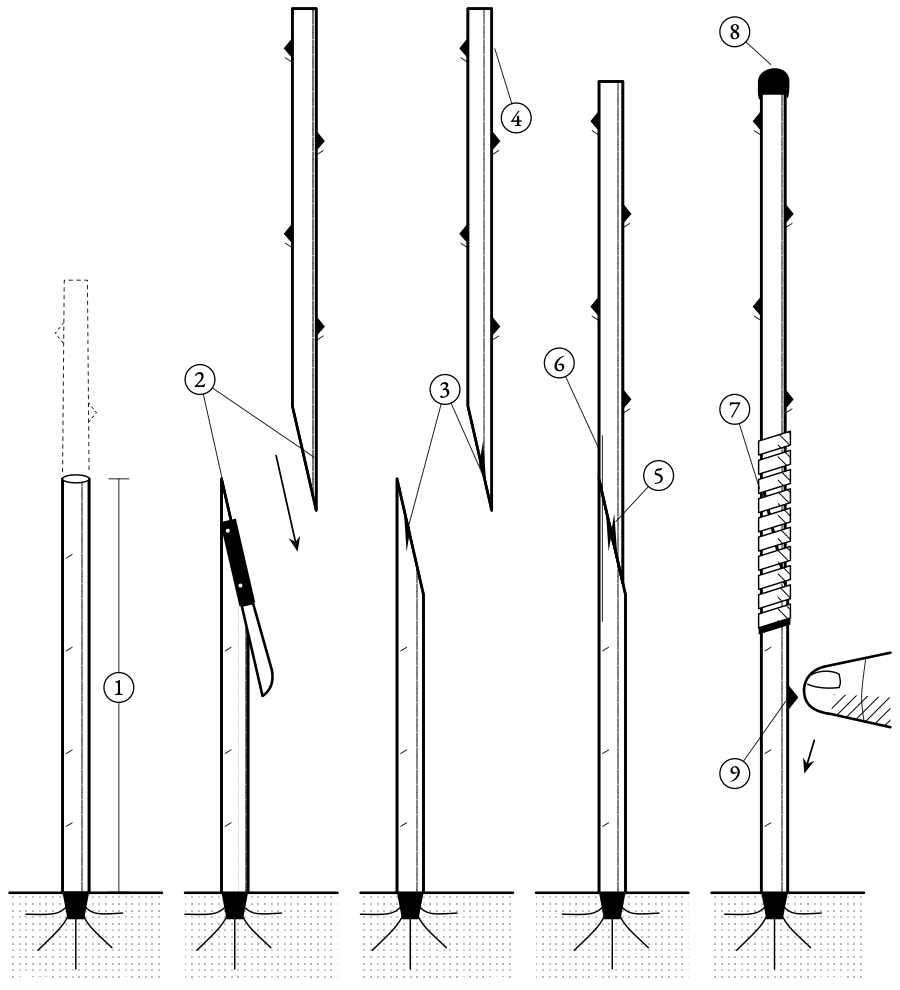
- The knife in March
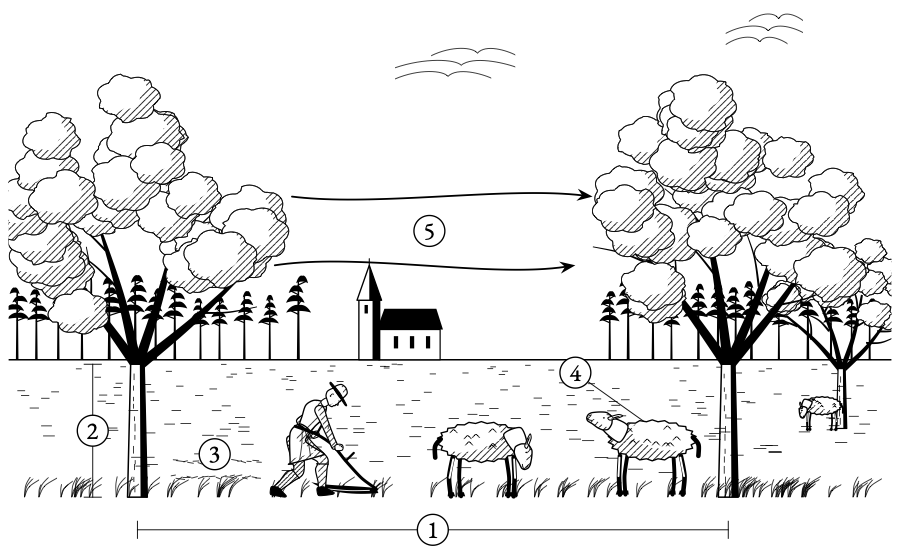
- The meadow orchard
- The cellar and the press
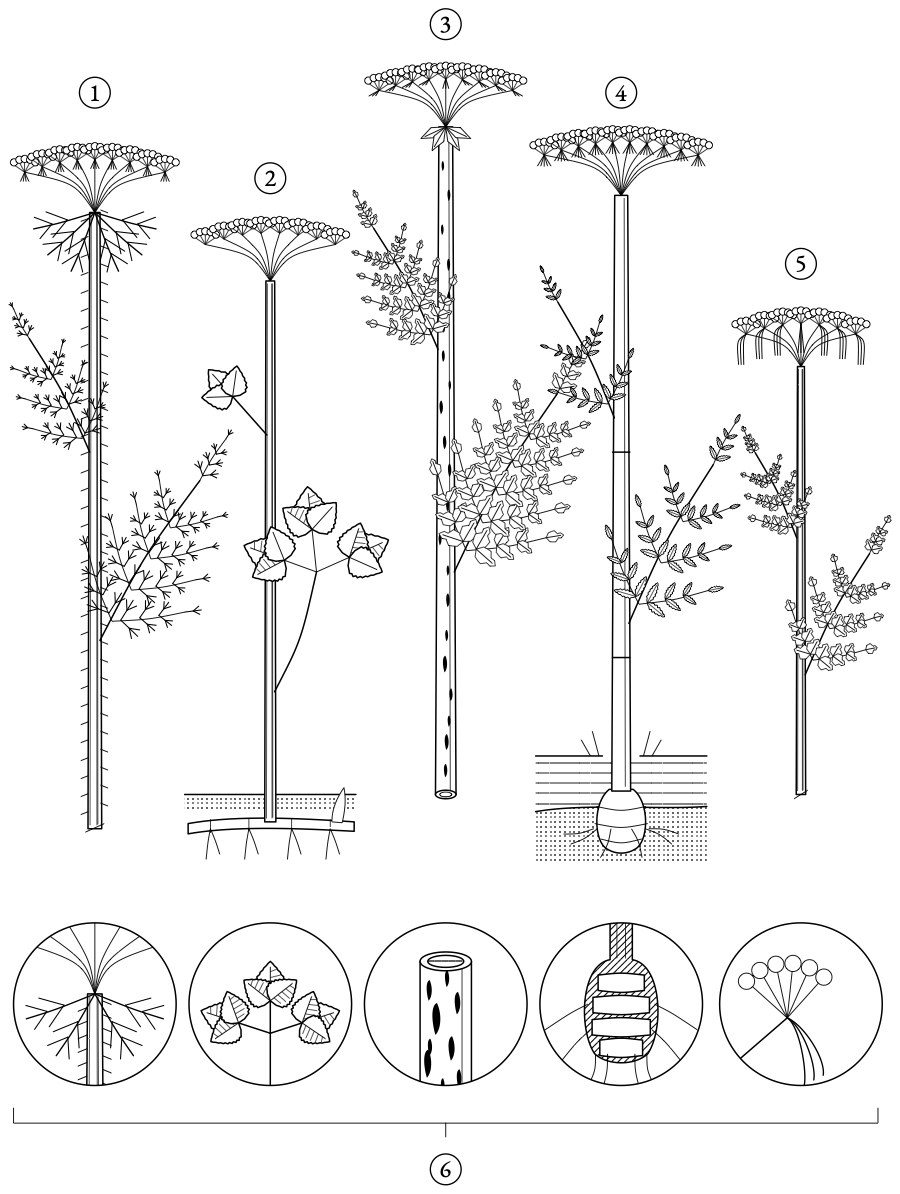
- What the woods actually offer
- The Honest Broker's winter
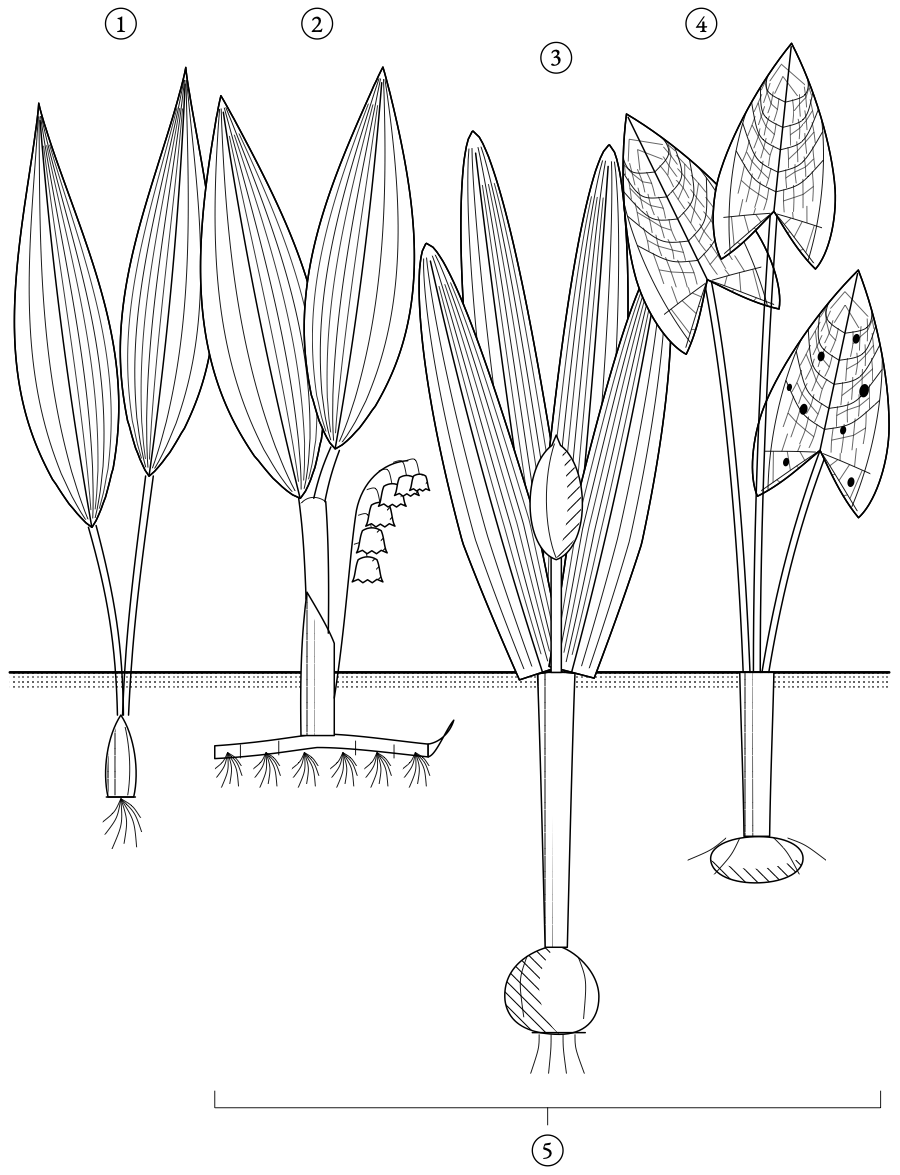
- Herbs and tisanes
- The turn to the present
5,806 words in the book.
At the Bench
Everything here is done with a grafting knife, a pruning saw, secateurs, tape, wax, a spade, string, a sieve and a pot. The dangers are the knife, which is sharper than the kitchen's and cuts toward the thumb, the hemlocks, the look-alikes of the wild garlic, the raw acorn and the fox tapeworm.
1 Scions in January
2 The whip and tongue Safety
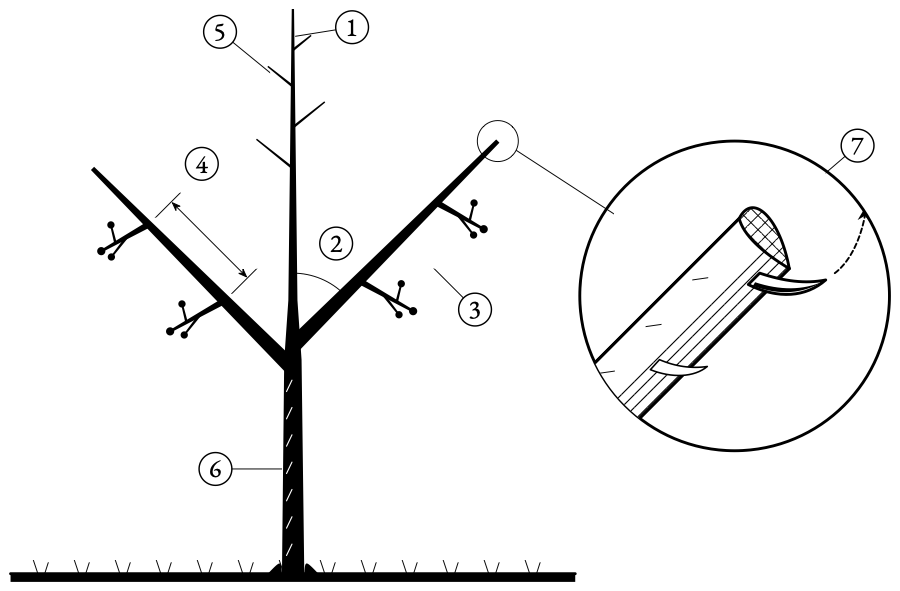
3 Top-working a wild tree
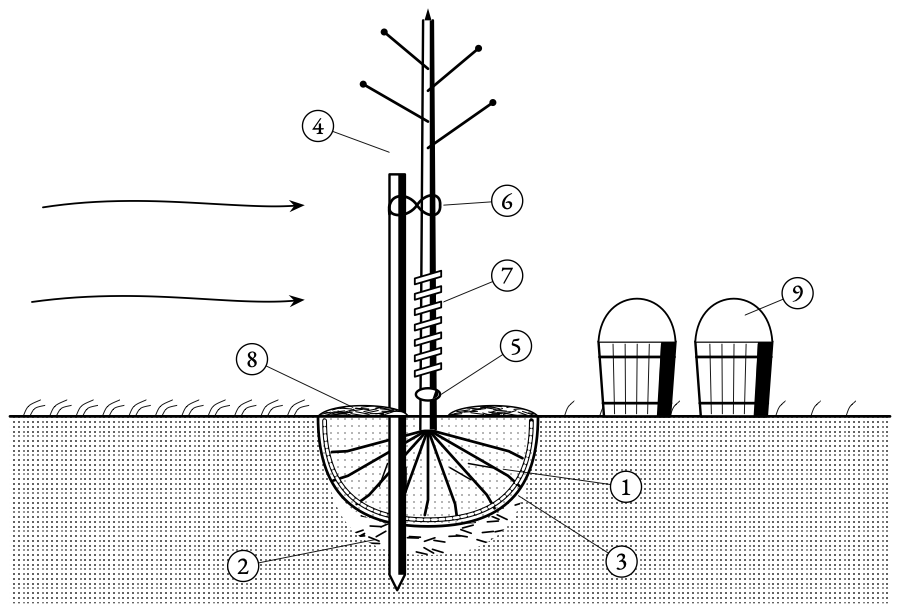
4 Planting a standard
5 Acorn flour Safety
6 Drying and blending a tisane
If it goes wrong
The scion has dried and shrivelled above the join. The union did not take: it dried, or moved, or the cambiums never met. Cut the rootstock back below the dead wood and graft again next spring, or chip-bud it in August.
The first lines of each protocol. The steps, weights and temperatures are in the book.
Numbers to Carry
- The orchard: standard trees on seedling or wild roots, 8 to 10 m apart, trunk 1.8 m, first fruit in 6 to 10 years, life 80 to 120 years. Dwarfing roots die on the sand. 35 36
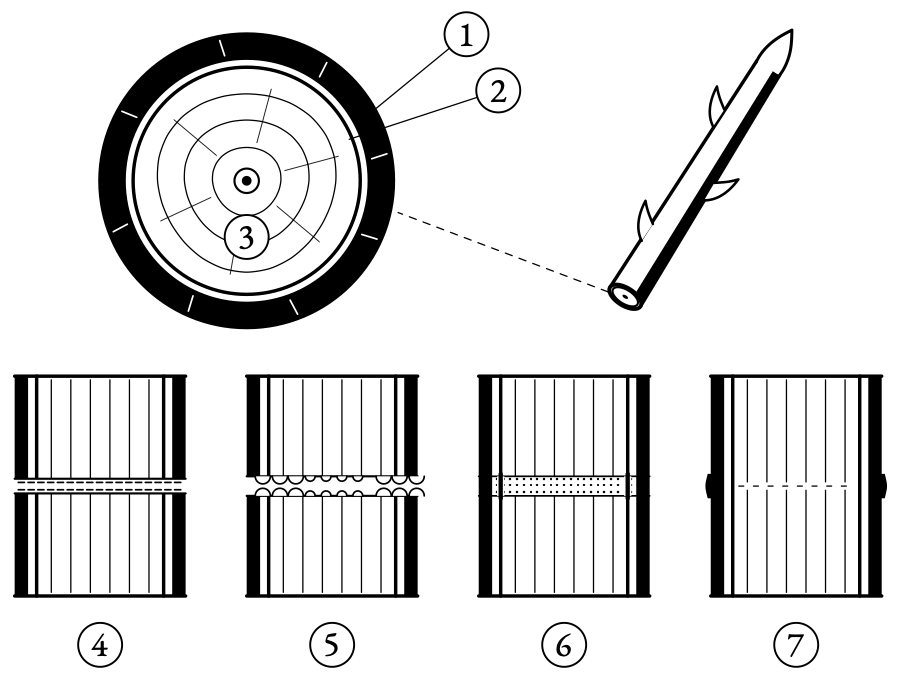
- The graft: scions cut December to February, stored 1 to 4 °C damp. Graft late March or April at bud swell. Callus by day 14, cambium ring by day 20, wood by week six. Union a hand above the soil. (36, own)
- Pruning: leader, 3 to 4 scaffolds at 45 degrees, fruiting wood 80 to 150 cm apart, ten years of shaping. 35
- Pollination: three varieties, and a triploid needs three others, same or neighbouring group. 35 36
- Scab: wet 11 h at 10 °C or 7 h at 15 °C. Rake or urea the leaves after fall. 35
- Cider: a third to a half sweet, a tenth to a fifth sharp, a tenth bittersweet. Must 10 to 18 per cent sugar. Keeve at 8 to 12 °C. 35
- Acorns: 58 per cent starch, 300 to 400 kcal per 100 g of flour. Leach 3 to 10 days cold. October returns 600 to 1,350 kcal an hour. Weevils take 35 to 90 per cent. None left by January. 130
- Winter berries: sloe 57 kcal, sea buckthorn 82 kcal and 600 mg vitamin C per 100 g. A kilogram an hour at best against 300 to 400 kcal an hour burned. 130
- Fox tapeworm: bring it to the boil, or 70 °C for an hour. The freezer does nothing, washing not enough. Eggs live months in the soil. 10 to 15 years to symptoms. (37, RKI)
- The law: a hand's worth or a modest basket, no roots, no reserves, no fields. Wild garlic rare in Brandenburg: a handful, and not in reserves. 37
- Tisanes: dry below 40 °C and dark to a crumbling leaf. Chamomile 35 min covered, mint 5 to 10 covered, rosehip 6 to 8 short of boiling, pine 10 to 20, lime 4 g for 30 min. Blend 3 to 1 to a quarter. Yarrow 1.5 to 4 g three or four times a day, a fortnight at most, not in pregnancy. Three ragworts poison a hectare of chamomile. 107 37
The Library
The rootstock table, the interstem, the Brandenburg cultivar recommendations, the Oeschberg pruning, the windbreak figures, the bitter pit regime, the Mills scab table, the urea sanitation, the fire blight rootstocks, the flowering groups and the whole of the cider chemistry from the orchard document (35). The reason for grafting, the wild rootstock species and their soils, the healing calendar, the two incompatibilities and the cyanide of pear on quince, the lifespans and the carbon from the grafting document (36), which cites 35 for nearly everything else in it. The Handstrauß rule and its limits, the wild garlic table, the hemlock table, the fox tapeworm figures, the heavy metals, the herbal doses and contraindications from the wild edibles document (37), which 130 and 107 both cite as their only source for law and poison. The optimal foraging arithmetic, the acorn, sloe, sea buckthorn and inulin figures and the winter verdict from the foraging document (130). The drying chemistry, the water activity rule, the blackberry leaf, the blend ratios, the steeping times, the pyrrolizidine limits and the cold-brew warning from the infusion document (107), from which every temperature was lost in extraction.
The plates