FEASTING · Part IV · Time
Chapter 12
Cold and Dark
Draft 1, 19 September 2026 · 5,770 words · 5 movements
The Opening
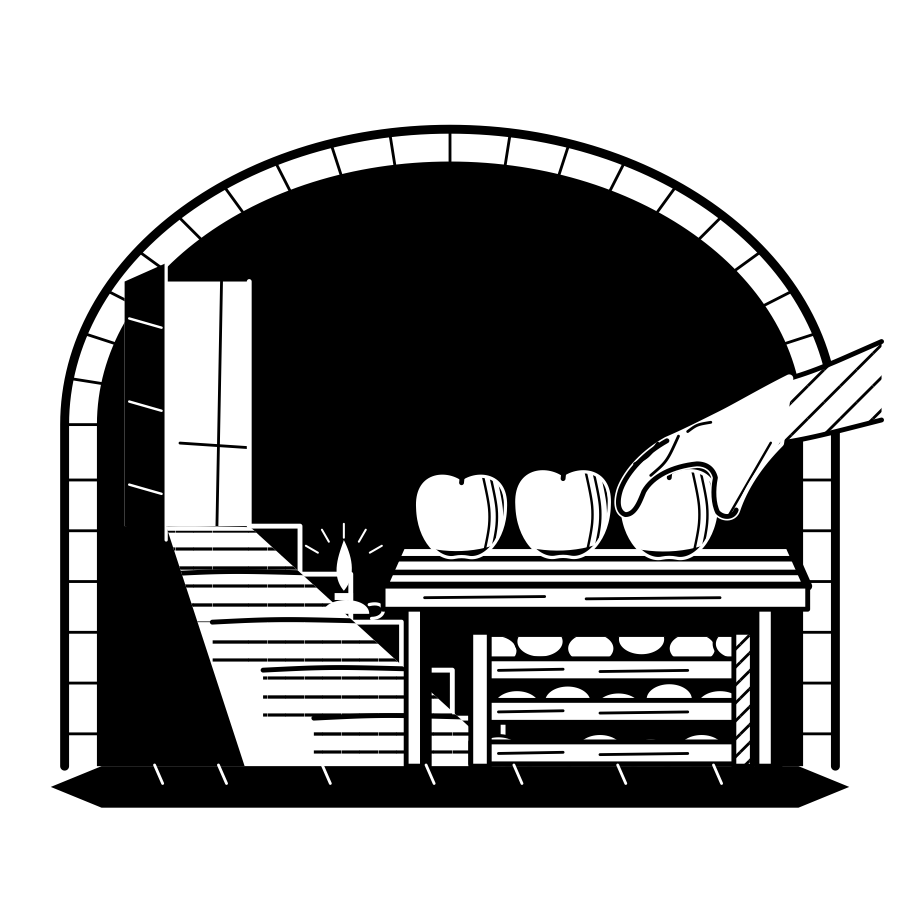
Pick up an apple and hold it to your ear.
You will hear nothing, but it is breathing. An apple on the table is not a thing. It is a living piece of a tree, and like everything alive it takes in air and gives out warmth and moisture and a little gas of its own, and it goes on doing so for weeks after it was picked, slowly eating itself from the inside. A potato does the same. So does a cabbage, a carrot, a beetroot, an onion. The whole harvest, stacked in the barn in October, is alive and breathing and warm, and every breath it takes is a mouthful of the winter's food gone.
Now think of yourself asleep. Your breathing slows. Your heart slows. Your body cools by a degree. You eat nothing for eight hours and wake up not noticeably thinner, because a body at rest in the dark spends almost nothing. Cold does to the harvest what sleep does to you. An apple at two degrees breathes at a fifth of the rate of an apple at twenty. A potato at four degrees in the dark will lie still until March. Take it into the warm and the light and it wakes, and sprouts, and softens, and within a fortnight it is trying to be a plant again, which is the one thing you do not want it to be until spring.
The opening of the chapter. It goes on in the book.
The Story
- The size of the sleep
- The earth does not notice the weather
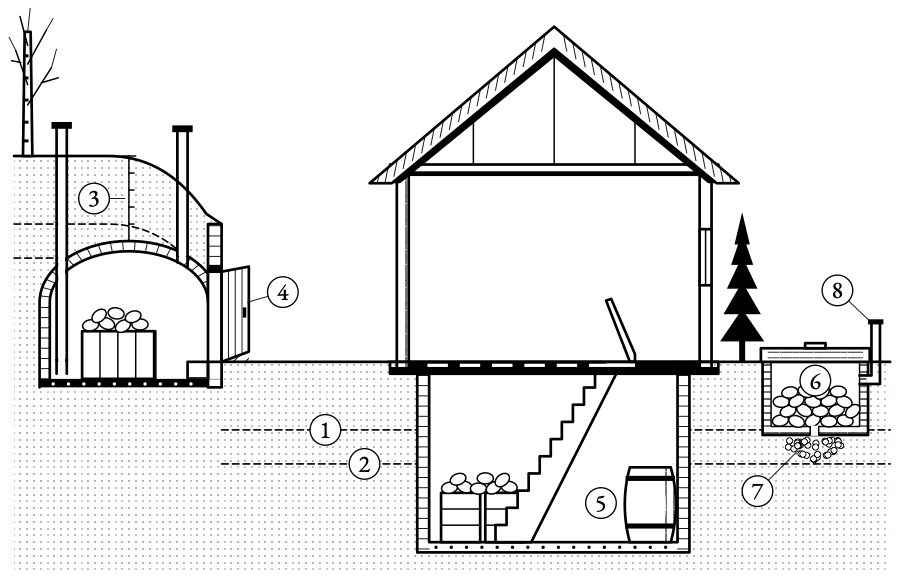
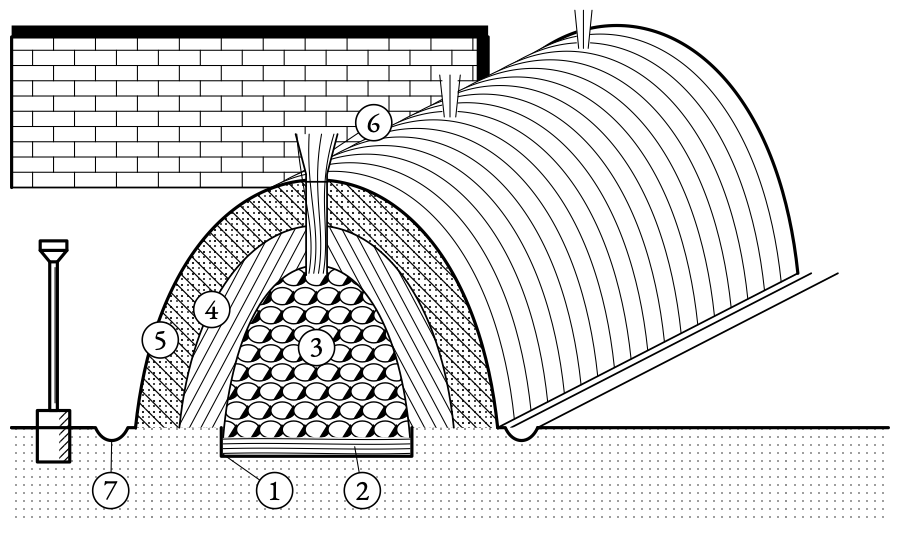
- The clamp
- Two that do not sleep together
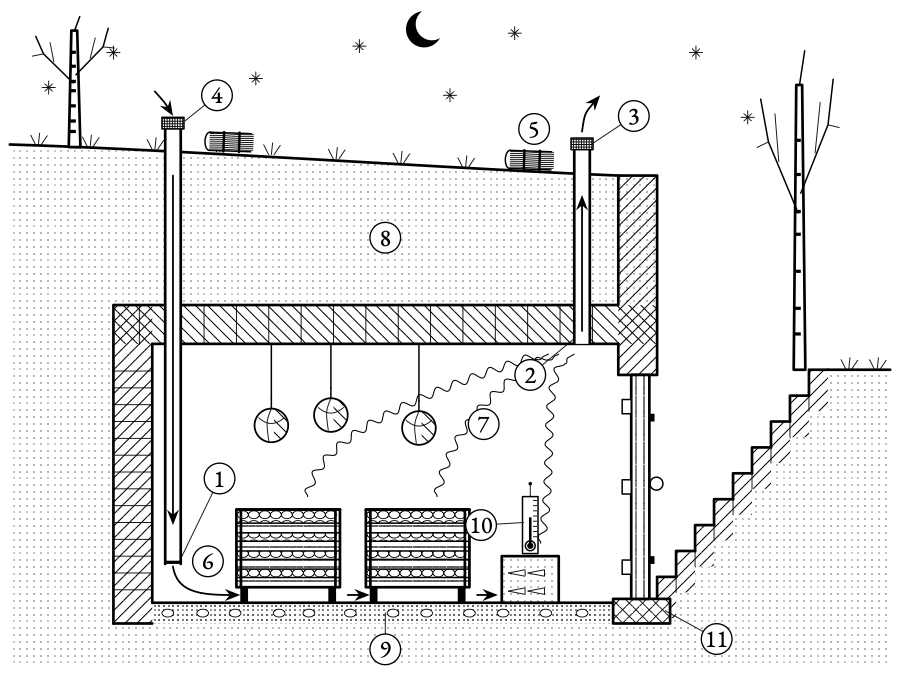
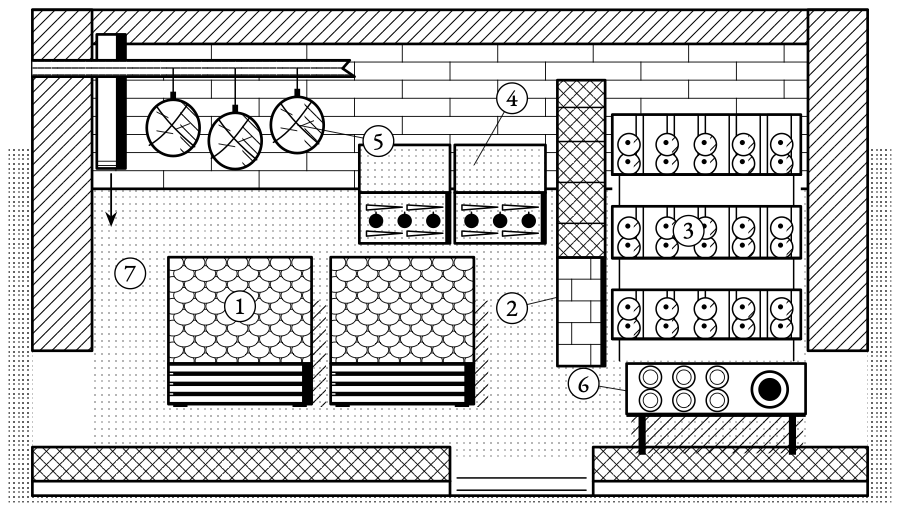
- The mouth in the wall
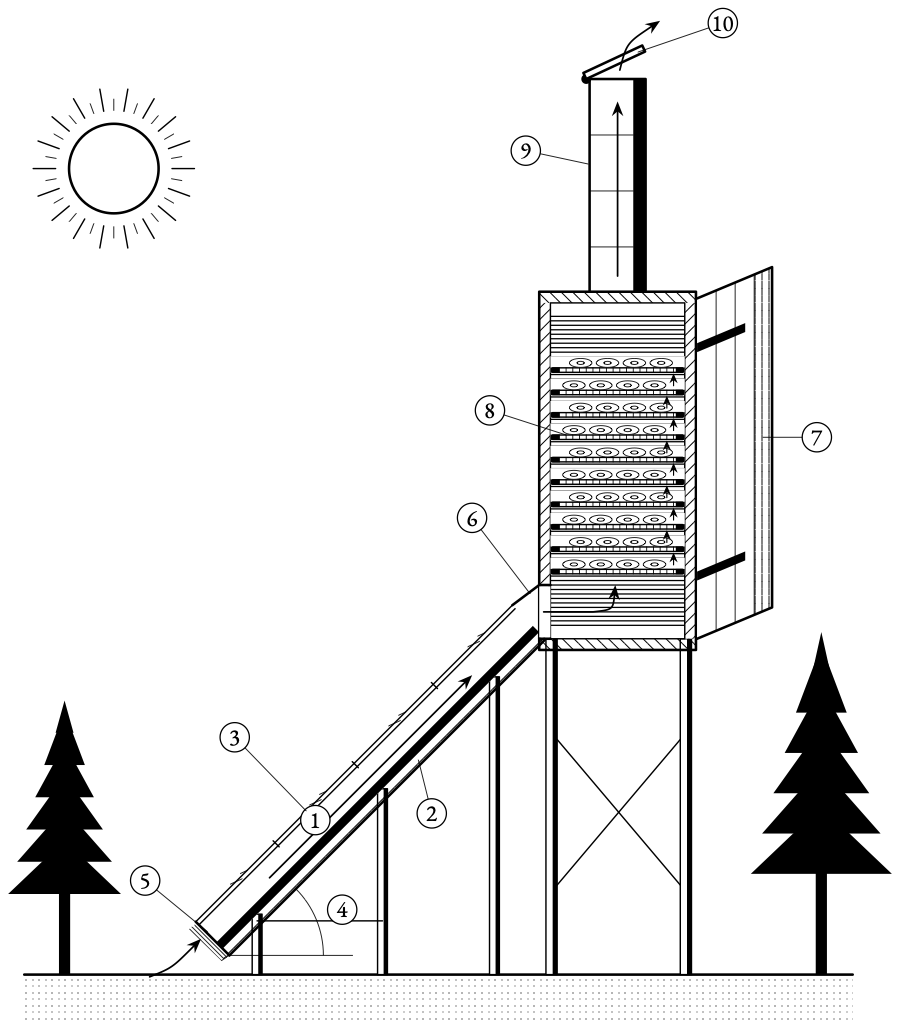
- The dry way
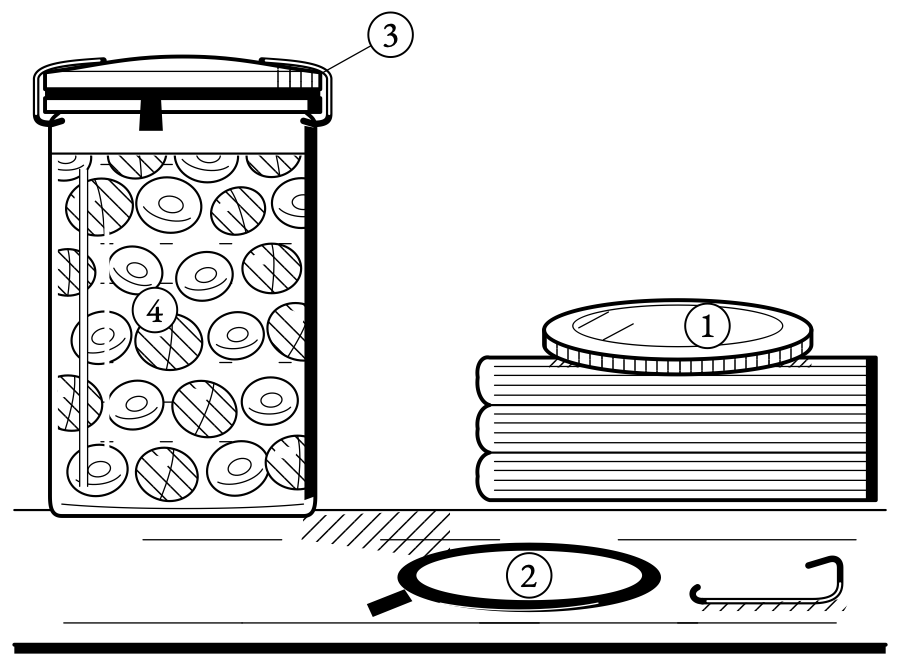
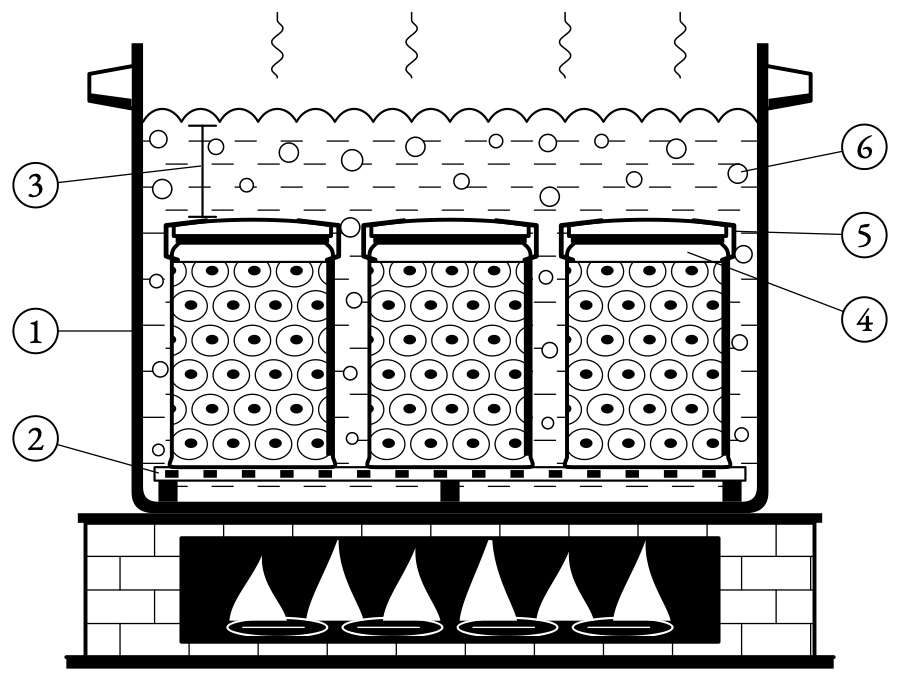
- The jar that kills
- What the supermarket hid
3,128 words in the book.
At the Bench
Instruction follows. Weigh, do not measure. Temperatures in degrees Celsius. Where a range is given, the safer end is named.
1 Running a cellar through the year
2 Bedding the harvest
3 The clamp
4 The dryer
5 The jar Safety
This will kill you if you get it wrong. Here is how not to.
If it goes wrong
The potatoes sprout in January, the apples go mealy. Too warm, too light, or apples and potatoes together. Check the pipes are open at night, that no light enters, and move the apples out of the room. Eat down the sprouted potatoes first: while they are firm and only a little sprouted, cut the sprouts and eyes out deep and peel them. Throw away any that are shrivelled, heavily sprouted or green, and any dish …
The first lines of each protocol. The steps, weights and temperatures are in the book.
Numbers to Carry
- 0 to 4 degrees, 90 in a hundred of damp, dark The cellar. Two pipes and a person on the stairs. 64 66
- A metre of earth Below it the day is gone and the year is slow; the frost in Brandenburg reaches 80 to 120 centimetres. 64 67
- 7 cubic metres for a family's year of potatoes, roots, cabbage, apples and jars. 0.85 for the grain. 6.3 for the smokehouse. 126
- Apples away from potatoes One shouts, the other listens. 66
- 6.5 kilograms of grain a year per rat Stone, cat, owl. 79
- pH 4.6, 100 degrees, 116 degrees The line, the water bath above it, the pressure canner below it. Boil every low-acid jar 10 minutes before eating. 73 74
- Three spare rings Then stop.
The Library
The research documents behind this chapter, all of them on the website: 64 Root Cellar Construction Principles · 65 Crop Storage Humidity Zone Management · 66 Ethylene Mechanisms and Cellar Ventilation · 67 Freezer Root Cellar Conversion Process · 126 Family Harvest Storage Space Calculation · 79 Rodent Prevention in Agricultural Storage · 75 Indirect Solar Dehydrator Guide · 73 History of Pressure Canning · 74 Water-Bath Canning Botulism Safety.
The plates