FEASTING · Part IV · Time
Chapter 15
Drink
Draft 1, 25 September 2026 · 7,480 words · 5 movements
The Opening
There is a glass of water on the table. It came out of the tap a moment ago, and nobody in the room said a word about it, because nobody has ever had to. It is clear, cold, faintly mineral, and it will not make anyone ill. That is the whole of it. The most ordinary object in the house is also the one that took the longest to arrive.
Pick it up, if you like, and hold it for a moment before you drink. The cold of it in the palm is a pipe under the street, a pump, a filter bed of sand somewhere on the edge of the city, and behind those a century and a half of people who died of the water before anyone worked out how to stop them. The glass is raised without a thought because the thought was done long ago, by others. We inherit the water the way we inherit the language, without noticing that either one was made.
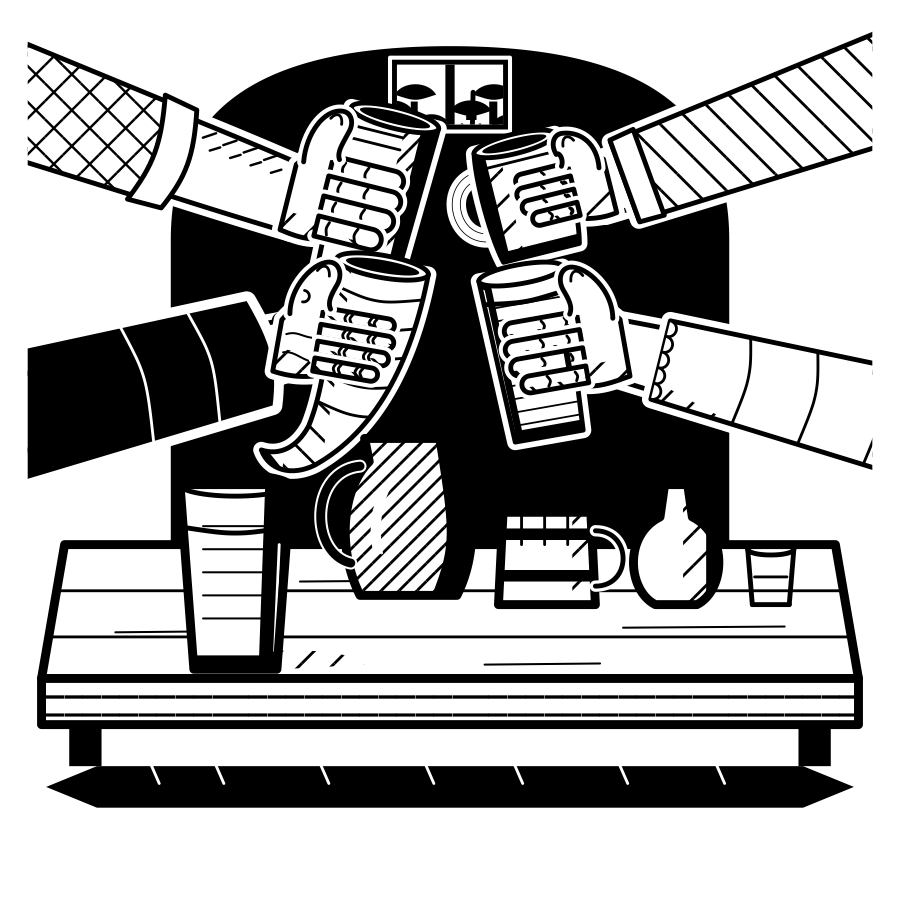
Every drink on the table of the Evening began that way. The ale, the cider, the wine from the sandy slope, the honey wine, the small clear glass at the end, and the bitter cup in the morning that is not coffee and is trying hard to be: each one is water that somebody made safe, then made pleasant, then learned to keep. The order matters. Safe first. Pleasant second. Keeping third. A people that gets the order wrong does not last long enough to argue about it.
The opening of the chapter. It goes on in the book.
The Story
- The grain that was told to grow
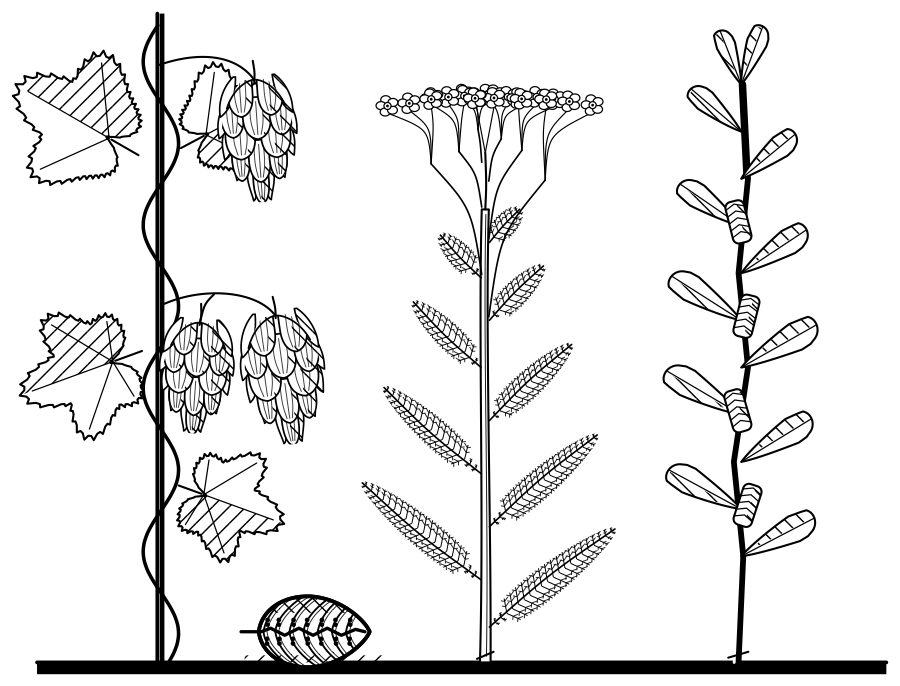
- Hildegard's bitter cone
- The champagne of the north
- What Pasteur saw
- The apple on the Havel
- The grape on sand
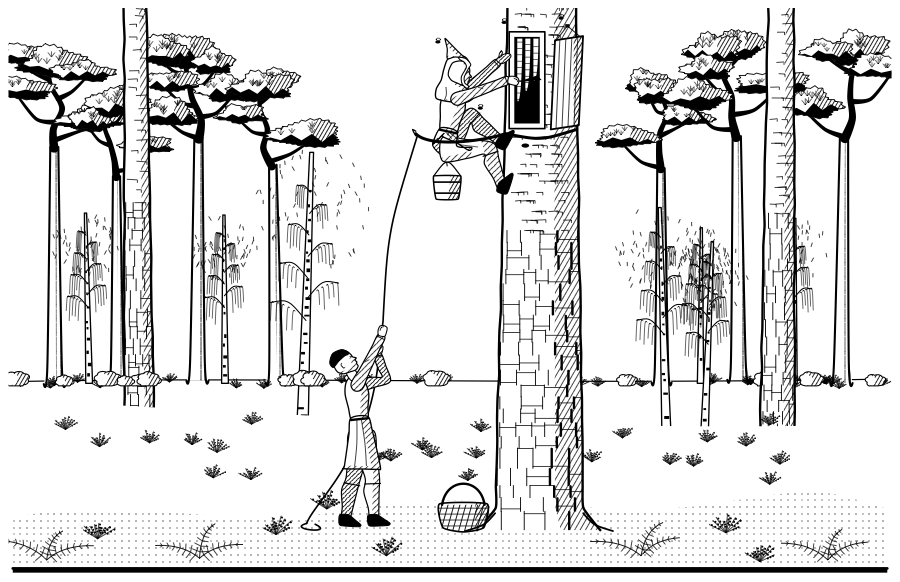
- The bee tree
- The still
- The cup that lies
- The Honest Broker's cup
- The turn to the present
4,386 words in the book.
At the Bench
Five drinks, in the order of the Evening. Each one is water that we make safe first, pleasant second and lasting third. The still comes fourth and carries its own warning. Read the whole of a method before starting it.
1 Malt and small ale, with a Weisse variant Safety
2 Cider Safety
3 Mead and country wine Safety
4 The still and the cut Safety
Read the safety block before anything else. A household still makes a few litres a year. Distilling without a customs permit is forbidden in Germany, fined up to ten thousand euros, and the unpaid tax can make it a crime. Methanol is not separated by a pot still and can blind or kill, and it gathers in the tails, not the heads. Ethanol vapour ignites. Never seal a still.
5 The morning cup Safety
If it goes wrong
The ferment stops sweet. The yeast has starved or chilled. Warm the vessel to 20 °C, stir in a cupful of live froth from another batch and a handful of raisins or a spoonful of pollen, and wait a week. If it does not restart, drink it young or turn it to vinegar on purpose.
The first lines of each protocol. The steps, weights and temperatures are in the book.
Numbers to Carry
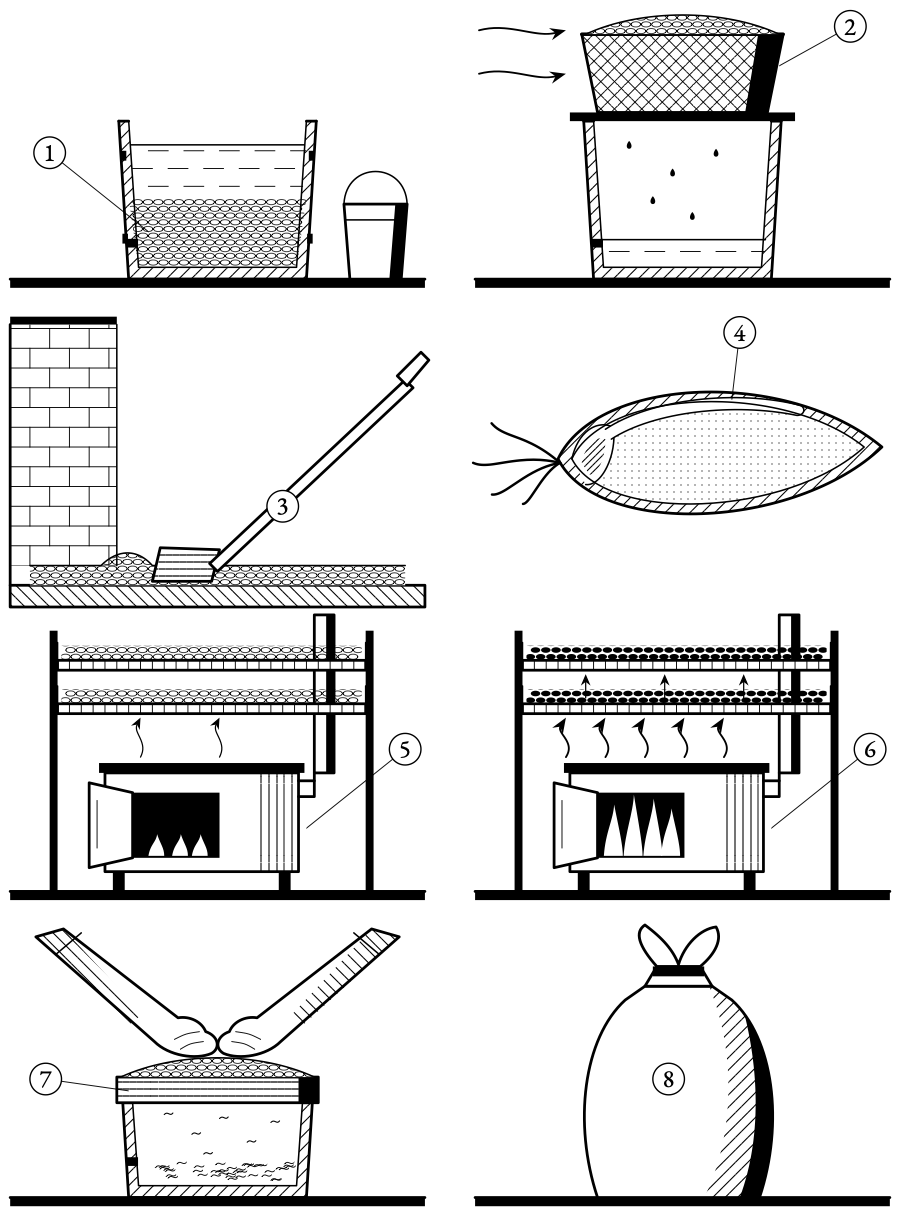
- Malt: steep to about 45 parts water in a hundred, sprout until the shoot is three-quarters of the grain, dry at 50 °C then cure at 85 to 100 °C. 92
- Mash: 2.5 to 3.2 litres of water per kilogram of malt, held at 65 to 68 °C for an hour. Above 74 °C the main enzyme dies. 92
- Boil: 60 to 90 minutes hard. Cool fast. 92
- Berliner Weisse: 3 parts wheat malt to 1 barley, unboiled, no hops, soured to a sharpness near lemon. 92
- Cider: 60 to 70 litres of juice per 100 kg of milled apples. Wild ferment two to four weeks at 15 to 20 °C. Dry cider keeps a year cold. 106 35
- Keeving: juice at 8 to 12 °C, siphon from under the brown cap, sweet cider that stops itself. 106 35
- Mead: 1 kg honey to 3 litres water gives about 13 parts alcohol in a hundred. Never boil honey. Feed the yeast. 108 136
- Bees: one colony on sand gives about 10 to 14 kg to the keeper a year and needs 18 to 20 kg for itself. Six colonies for a family. 136
- The still: copper, plumbing grade, no lead. First 50 ml per 10 litres of wash thrown away. About one litre of spirit at 40 from ten litres of wash at 8. 17
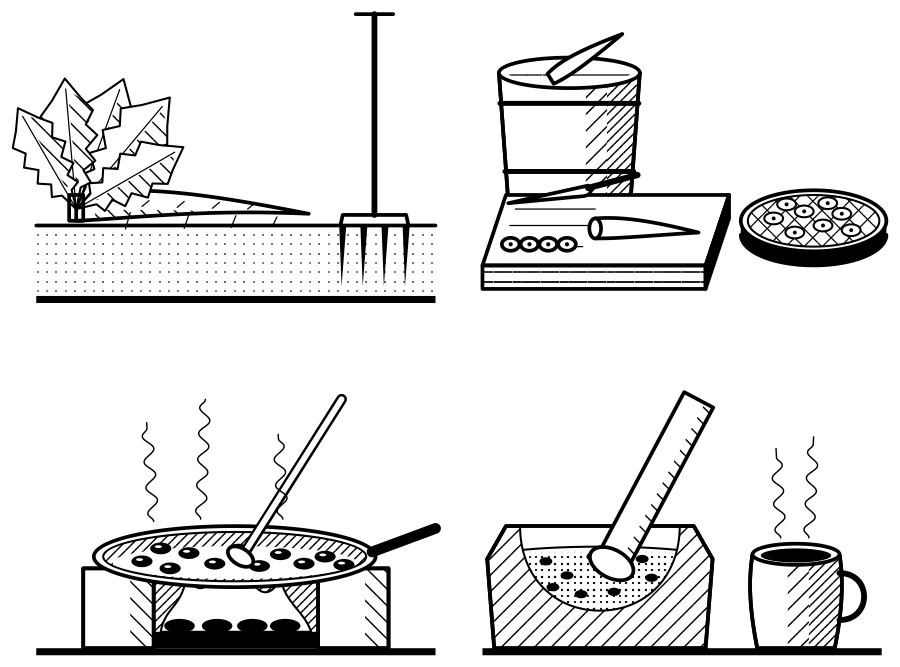
- Chicory: sow April to May, lift October, roast at 180 °C to dark chocolate. No caffeine. 34
- Pine needles: November to March, 15 minutes under a lid. Any low-growing herb dried until it crumbles or brought to the boil, never just steeped. 107
The Library
Malting, mashing, hops and the Weisse from the ale document (92). The wedge press, wild cider fermentation, keeving and the orchard from the two cider and apple documents (106, 35). Vines on sand and wine without additives from the viticulture document (96). Honey, the mead ratio and the nutrient problem from the mead document (108). The Zeidler, Nickel Jacob, Grüwel, the Brandenburg bee year and the yields from the apiculture document (136). The copper still and its metallurgy from the alembic document (17). Winter teas, the look-alikes and the foraging law from the infusion document (107). Chicory and dandelion from the root coffee document (34). Nothing in these documents is verified. The history of hops, the 1516 law, Pasteur and Hansen, Werder, the Cistercian vineyards, Frederick's coffee edict, the Braunschweig chicory factory, Muckefuck, Korn, potato schnapps, Gilka's Kümmel, the heads and tails cut and the methanol rule come from my own knowledge and are marked. The Berlin Weisse history document (158) was a Google Docs stub and could not be read.
The plates